Author: zevgosa

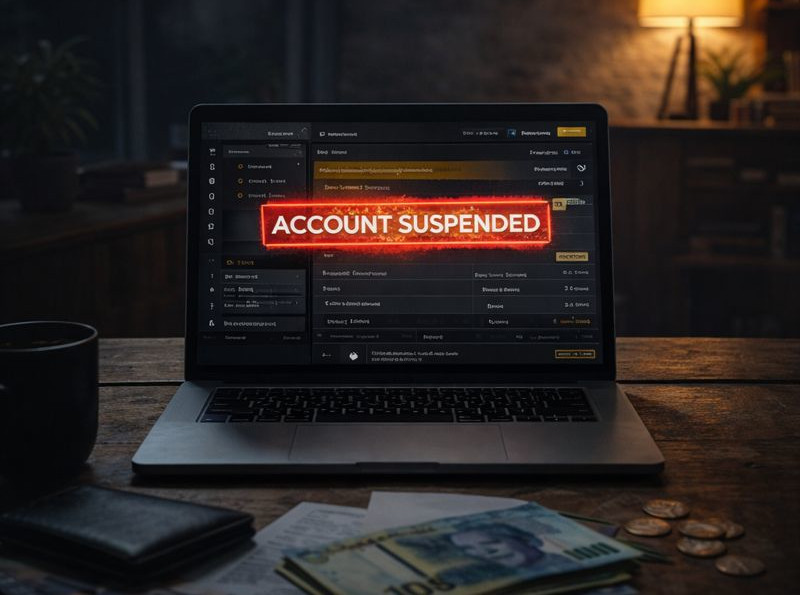
  • Why Offshore Betting Sites Are Risky for South Africans

    Why Offshore Betting Sites Are Risky for South Africans

    One thing I’ve noticed over time is that most problems South African players have with offshore betting sites don’t start with betting itself. Bets usually place without issue. Deposits often go through. Everything feels fine at the beginning.

    The trouble almost always starts later, when administration, verification, and compliance come into play.

    This is where offshore betting sites and South African betting sites are fundamentally different, and it’s also where many local players run into serious problems. Offshore betting sites are built around foreign systems, foreign banking rules, and foreign verification standards. On paper, that might not sound like a major issue. In reality, it creates constant friction for South African players.

    South African betting sites are designed around local realities. Offshore betting sites are not.

    That difference matters far more than most players expect.

    When a South African player signs up to a locally licensed betting site, the verification process is usually clear and predictable. The operator understands South African identity documents, local proof of address formats, and how local banks issue statements and confirmations. They know what a South African ID looks like. They understand how FICA-style verification works in practice.

    Offshore betting sites often expect something very different.

    Many offshore platforms are designed around European or international users. Their compliance systems are built for passports, traditional utility bills, and banking documents that simply do not exist in the same way for many South Africans. When a player uploads documents that are perfectly normal locally, offshore systems may flag them as invalid, unclear, or incomplete.

    This is not always because the player has done something wrong. It’s because the offshore platform’s verification process was never built with South African players in mind.

    The biggest issues usually appear when a player tries to withdraw.

    At that point, offshore betting sites often trigger enhanced verification checks. Documents that were accepted during sign-up are suddenly no longer sufficient. Additional proof is requested. Sometimes the same documents are asked for repeatedly, with slight changes in wording that are difficult or impossible to satisfy.

    Proof of address is one of the most common sticking points. Many South Africans do not receive traditional utility bills in their own name. People rent, live with family, or use prepaid services. Local betting sites understand this and can work with alternative documents. Offshore betting sites often cannot. Their systems are rigid, and anything that doesn’t match their predefined checklist gets rejected.

    Bank verification creates another layer of difficulty.

    South African banking systems operate differently from those in many other countries. Bank statements, account confirmations, and payment references may not match what offshore compliance teams expect. Even when a player submits a legitimate bank statement, it can be rejected simply because it does not fit a foreign template.

    From the player’s perspective, everything is correct, yet nothing is accepted.

    Payment processing adds even more risk.

    Many offshore betting sites rely on foreign payment processors. These processors have their own compliance rules, which do not always align with South African banking practices. Deposits may work smoothly, but withdrawals can trigger additional checks that local banks do not support in the same way. This can leave funds approved on the betting site’s side but delayed or blocked by the payment processor.

    There is also a risk that often goes unspoken. Offshore betting sites that operate in South Africa without the relevant local licensing can be blocked by South African authorities. When that happens, access to the site may suddenly disappear. Transactions can be interrupted. Accounts can become inaccessible.

    If funds are sitting in an offshore account at that point, players may struggle to recover them. Withdrawals in progress can fail. Deposits already made may be impossible to reverse. In the worst cases, funds and transaction records are effectively lost.

    Another major difference is regulation and accountability.

    Offshore betting sites are not regulated by South African authorities. That means if something goes wrong, there is no local regulator that can take action against the operator. No penalties can be enforced. No investigations can be launched locally. No binding decisions can be made in favour of the player.

    With locally licensed betting sites, there is at least a recognised authority overseeing how the site operates. With offshore sites, South African players have no such protection. Complaints usually go nowhere, and disputes are handled entirely on the operator’s terms.

    Personal information is another serious concern.

    Signing up to a betting site requires players to submit sensitive personal data, including identity documents, proof of address, and sometimes banking details. When this information is submitted to a locally licensed South African betting site, it is protected by local laws and regulatory requirements.

    With offshore betting sites, that protection does not apply.

    Personal data is stored outside South Africa, under foreign legal systems. It may be shared with third parties, used for marketing, or handled in ways that would not be allowed locally. If that information is leaked, misused, or accessed by criminal networks, South African players have very little recourse.

    Identity documents and banking details are valuable targets. Handing them over to an offshore operator with no local accountability introduces risks that many players underestimate.

    It’s important to be fair. Offshore betting sites are not always acting maliciously. In many cases, they are simply enforcing compliance rules designed for other countries. The problem is that those rules don’t translate well to South Africa, and there is no obligation for offshore operators to adapt.

    For South African players, this means that even honest, cooperative users can struggle to meet requirements that were never designed for them in the first place.

    This is why so many players only experience serious problems after they start winning or try to withdraw meaningful amounts. Betting itself is universal. Administration, verification, regulation, and enforcement are not.

    Locally licensed betting sites may feel stricter upfront, but their systems are built around South African realities. They understand local documents, local banks, and local compliance requirements. When problems arise, there is usually a practical path to resolution.

    Offshore betting sites often lack that local understanding and local accountability. When something doesn’t fit their process, there is little flexibility and no South African authority to step in.

    In the end, this is not about odds or bonuses. It’s about whether a betting site’s administrative, verification, and regulatory systems are compatible with South African life and South African law. In most cases, offshore betting sites simply are not.

    For South African players, choosing a locally licensed betting site is less about convenience and more about protection. It means dealing with systems that understand how things work here, and operators that can actually be held accountable when something goes wrong.

    That gap is what causes most of the frustration, and it’s why offshore betting sites so often end badly for South African players.

    What Do You Think?

    Offshore betting sites and locally licensed South African sites work very differently, especially when it comes to verification, withdrawals, and accountability. Some players feel local rules are too restrictive, while others value the protection they offer.

    What has your experience been? Have offshore betting sites worked for you, or caused problems? Share your thoughts in the comments below. Betbay wants to hear what real South African players think about the future of online betting.

    Read More:

    If you’re looking for a safe, locally licensed betting site, check out my post on where to bet online for tips and trusted locally licenced options.

    Responsible Gambling:

    BetBay supports safe and responsible gambling. If you or someone you know needs help, contact the South African Responsible Gambling Foundation for free confidential support at www.responsiblegambling.org.za or call 0800 006 008.
  • Online Gambling Regulation vs Prohibition for South Africans

    Online Gambling Regulation vs Prohibition for South Africans

    South Africa finds itself at a defining moment in the world of online gambling. The rapid rise of digital betting, powered by smartphones, instant payments and widespread internet access, has made online gaming a normal part of everyday entertainment for millions of South Africans. The legal landscape, however, has not moved at the same pace. While the law still distinguishes between different types of gambling, the reality is that licensed South African bookmakers are now offering a full range of casino-style games including slots, crash games, and live dealer tables alongside traditional sports betting. These products are regulated under bookmaker licences issued by provincial gambling boards, audited for fairness, and required to pay taxes and levies within the country. The challenge is not whether South Africans can legally bet or play casino-style games online, but rather how national law and public policy can keep up with the scale of the market to protect consumers and ensure local benefit.

    The online gambling economy has exploded over the past few years. Mobile betting has become the preferred way to play, and reports estimate that South Africa’s total gambling revenue has already passed the R75 billion mark. The growth is driven by a young, connected population and a strong network of local operators who offer legal access to a wide mix of betting options. Players can place wagers on soccer, rugby or horse racing, and switch seamlessly to slot games, roulette, blackjack or crash-style titles, all from a single account on a licensed local site. This integrated ecosystem has made online gambling part of mainstream entertainment, but it has also exposed how far the country’s national legislation has fallen behind. The current law still reflects an era before mobile technology transformed how people interact with gambling. It has created overlaps, grey zones and inconsistencies that make it hard for both players and operators to navigate confidently.

    The problem is that players are often unsure about how far the legal boundaries extend. Many South Africans don’t realise that while unlicensed offshore casinos remain illegal, locally licensed bookmakers legally offer casino-style games such as slots, crash titles and live dealer tables under their bookmaker licences. These games are audited, regulated and paid out in rand, which keeps them compliant and transparent. The confusion comes in when offshore platforms market to South Africans without local licences, creating the illusion of legitimacy. This legal grey area is where the real risk lies, and it is exactly why clearer national regulation is needed to distinguish between what’s legal, what’s not, and to protect players from being drawn to unverified foreign sites.

    Offshore gambling websites continue to target South African consumers aggressively. These platforms advertise through social media and search engines, accept deposits in rand, and often mimic the appearance of legitimate South African operators. Many players assume that if a website takes local payments it must be legal, but that is not the case. Offshore operators hold licences from foreign jurisdictions that do not fall under South African regulation. They are not required to comply with FICA verification, responsible gambling standards or tax laws. When South Africans play on these sites, they expose themselves to potential fraud, unfair game mechanics, delayed or denied withdrawals, and a total lack of legal recourse. Worse still, every rand spent on an unlicensed offshore platform leaves the country’s economy entirely. That outflow of funds reduces local tax revenue, undermines consumer protection, and creates a system where legitimate domestic businesses compete with unregulated international companies that contribute nothing back.

    This is why the conversation about regulation versus prohibition is so important. Prohibition of online casino gaming has never truly stopped the activity; it has only pushed it underground or offshore. The last major attempt to ban remote casino gambling in South Africa led to the closure of local servers but did nothing to curb the growth of foreign sites. The lesson is clear: when a market demand exists, people will find a way to participate, and blanket bans only weaken regulatory oversight. Regulation, on the other hand, allows the government to define clear rules, license operators, enforce compliance and collect revenue that can be used for social benefit. It also empowers players by giving them a transparent system where they know which sites are safe, who to contact in case of disputes, and how to set personal limits to manage their gambling responsibly.

    The case for regulation is supported by both economic logic and public interest. A properly regulated online gambling sector can generate significant tax income and job creation while also protecting players through enforced standards. Licensed operators already follow strict auditing and fairness requirements, but a modernised national framework could make these protections more uniform across all provinces. Regulation can also make it easier to monitor gambling behaviour, identify problem patterns, and intervene when necessary. Without a national framework, much of that data remains fragmented. Provincial regulators do their best to oversee activity, but cross-border cooperation between provinces and national agencies would make oversight more effective. Modern regulation would also strengthen anti-money-laundering enforcement and keep betting funds flowing within the formal banking system.

    Consumer safety is another major reason to prioritise regulation. Licensed South African bookmakers already use secure payment gateways, identity verification through FICA, and responsible gambling tools that allow players to set deposit or time limits. These safeguards are essential for reducing gambling-related harm. Offshore operators are not required to provide any of these features. They can operate without clear age verification, without deposit limits, and without transparent disclosure of game odds or return-to-player rates. When things go wrong, South African players have no local authority to turn to. Proper regulation ensures accountability and allows authorities to penalise or ban operators that violate consumer protection rules. It also creates trust, which is vital for any sustainable industry.

    The financial stakes are high. Every rand that moves offshore through unlicensed gambling is a rand that does not contribute to South Africa’s GDP, tax base or community development programmes. Local operators pay provincial levies and taxes that support job creation and responsible-gambling initiatives. When players choose unlicensed sites, those benefits disappear. Economists describe this as a “leakage effect,” where national wealth flows outward without any compensating benefit. Regulation reduces this leakage by keeping the activity within the formal economy, ensuring that both the risks and the rewards are managed locally. A well-regulated market can also attract legitimate foreign investment. Technology providers, payment processors and data security firms are more likely to partner with compliant local operators when there is a clear legal structure.

    Opponents of expanded regulation often raise concerns about addiction and social harm. These risks are real, but they are better addressed through oversight and education than through prohibition. Prohibition leaves regulators blind, while regulation gives them visibility. When gambling is licensed and monitored, authorities can collect data to identify problem behaviour, set advertising limits, and require operators to promote responsible-gambling helplines. Licensed operators are also more likely to support harm-reduction campaigns because they have reputations to protect and licences to maintain. Prohibition removes that accountability. It does not make gambling disappear; it simply removes the tools to manage it effectively.

    Another issue is legal clarity. The current situation forces both players and operators to interpret overlapping national and provincial laws. Some of these laws date back to a time when online gambling barely existed. The result is a patchwork system where rules differ between provinces and where national enforcement struggles to keep pace with digital change. Updating legislation would remove this uncertainty. It would clarify that certain types of online gambling, when offered by licensed South African bookmakers, are legal and regulated, while unlicensed offshore sites are not. This clarity would protect consumers, support legitimate businesses, and strengthen the country’s overall regulatory credibility. It would also send a clear message to the international market that South Africa welcomes responsible, compliant gaming investment.

    Beyond the regulatory debate lies the question of how to manage the social side of gambling in a digital age. South Africans are not unique in their appetite for online entertainment. From mobile gaming to streaming, digital leisure is part of modern life. The key is to ensure that gambling fits responsibly into that landscape. Regulation allows for education campaigns, self-exclusion systems and partnerships with public health bodies. It also enables the use of technology to promote safer play. For instance, machine learning tools can flag risky betting patterns and trigger interventions before harm occurs. Without regulation, such innovation is impossible because the industry operates outside of transparent oversight.

    The economic case for regulation is equally persuasive. Global studies show that regulated gambling markets tend to perform better in terms of tax collection, consumer satisfaction and social stability. South Africa’s existing licensed bookmakers have proven that responsible regulation can work. They are audited, they pay taxes, and they operate under clear conditions set by provincial gambling boards. Expanding this model to a more unified national level would streamline compliance and reduce duplication. It would also prevent unfair competition from unlicensed offshore sites that currently face no taxation or enforcement. By treating online gambling as a legitimate, regulated industry, South Africa can balance revenue generation with social responsibility.

    The digital nature of modern gambling also calls for stronger cooperation between regulators, banks and technology companies. Payment providers play a key role in identifying illegal transactions and blocking payments to unlicensed operators. In a regulated environment, this coordination becomes more efficient. Banks can easily verify whether an operator holds a valid licence, and players can transact with confidence. This ecosystem of trust encourages safe participation while making it harder for rogue operators to profit. In the long run, this approach benefits everyone: players enjoy protection, the government gains revenue, and legitimate businesses grow under fair conditions.

    Culturally, the conversation about gambling in South Africa has matured. It is no longer framed purely as a moral issue but as one of responsibility and transparency. Most players simply want entertainment, fair odds, and the reassurance that their money is safe. Regulation provides those assurances. Prohibition, by contrast, breeds uncertainty and drives riskier behaviour. The digital transformation of the gambling sector cannot be reversed, but it can be guided. South Africa has the institutional capacity to build a modern framework that supports innovation while protecting its citizens.

    For South African players, the practical takeaway is simple. Stick to locally licensed sites, check that the operator lists its provincial licence number, and always gamble within your means. When you play on legal South African platforms, your money stays in the local economy, the games are audited, and there is an authority you can turn to if something goes wrong. Avoid offshore websites that promise massive bonuses or payouts in foreign currency. They may look professional, but they operate outside of South African law and offer no protection. Responsible play begins with choosing safe platforms and understanding the rules that govern them.

    The broader decision now lies with policymakers. South Africa can continue with partial prohibition, which leaves players exposed and money flowing offshore, or it can modernise its gambling laws to reflect how the market actually operates today. Regulation does not mean encouraging excessive gambling; it means creating a controlled, transparent environment where operators are accountable and consumers are protected. Prohibition, on the other hand, leaves the country in a perpetual state of legal confusion. The industry will continue to grow regardless, but the benefits will either be captured locally through proper oversight or lost entirely to offshore markets. Regulation is not about expanding gambling; it is about recognising reality and managing it responsibly.

    In the end, the debate between regulation and prohibition is really a question of control. With regulation, South Africa can set the terms, collect the taxes and enforce the rules. With prohibition, the market sets its own terms and the risks multiply. The future of online gambling in South Africa will depend on whether lawmakers choose to lead or to react. A forward-thinking regulatory approach could safeguard players, protect the economy and bring long-overdue clarity to one of the country’s fastest-growing industries. For players and policymakers alike, the choice is between a transparent, accountable system and an unregulated global free-for-all. The time has come for South Africa to choose regulation, not as a moral endorsement, but as a practical commitment to fairness, safety and national growth.

    What Do You Think?

    South Africa’s online gambling scene is changing fast, and the debate around regulation versus prohibition affects every player. Should the government open the market fully and keep the money local, or keep things restricted and risk driving players offshore? Share your thoughts in the comments below. BetBay wants to hear what real South Africans think about the future of legal online gambling.

    Read More:

    If you want to explore trusted and legal options, read our guide about where to find the best online betting and casino sites in South Africa for a full breakdown of locally licensed platforms, safe payment methods, and player tips.

    Responsible Gambling:

    BetBay supports safe and responsible gambling. If you or someone you know needs help, contact the South African Responsible Gambling Foundation for free confidential support at www.responsiblegambling.org.za or call 0800 006 008.

  • Is Online Gambling Really as Dangerous as the Headlines Claim?

    Is Online Gambling Really as Dangerous as the Headlines Claim?

    South Africans are bombarded with headlines warning that online gambling is addictive, destructive, and the “next big social crisis.” Yet my own experience—and plenty of quiet, everyday stories—tell a more balanced tale. Like any pastime, gambling can cause harm if it’s abused, but that doesn’t make every small bet a danger zone. For thousands of responsible players it’s simply entertainment: a Saturday night dop, a few spins, and no late-night drive on pothole-ridden roads. This piece looks past the panic to ask a simple question: is online gambling really the villain the media makes it out to be?

    Saturday Night at Home

    Saturday night at home. The casino calls, but so do the potholes, dark roads, and the worry of what might happen at every robot. You lock up, consider the trip, and decide it’s not worth it tonight. Better to stay where it’s comfortable and safe, pour a dop, and visit the online casino. Same buzz, less stress.

    Headlines vs. Reality

    Recently I’ve come across a flood of news articles warning that online gambling is dangerous, addictive, or even “the next big social crisis,” but the more I read the more it feels like those headlines skip an important truth. Yes, gambling can cause problems when it’s left unchecked, yet—like many other hobbies—it isn’t automatically harmful. For many South Africans, a small, well-managed bet or slot spin can be a perfectly safe and enjoyable way to unwind, as long as it’s treated as entertainment and played responsibly.

    After all, once you’re over 18 you’re trusted to drive a car, buy a drink, and even vote—so choosing to have a little online fun within the rules shouldn’t be treated as something shocking. And that’s exactly the way the news seems to portray it.

    You don’t see daily, panic-filled headlines about adults enjoying a glass of wine after work or grabbing a weekend cocktail, even though alcohol can be just as risky when abused. Yet with online gambling, even the most casual, budget-friendly play often gets lumped into worst-case scenarios. It’s a strange double standard—especially when we already trust adults to make responsible choices in so many other parts of life.

    Why the Demonisation?

    The big question is: why is gambling demonised by so many news outlets, and is it really as evil as it’s made out to be? I don’t claim to have all the answers, but I’ve been thinking about it a lot. Maybe it’s because stories about danger and addiction grab more clicks than calm, everyday experiences. Maybe it’s because gambling still carries old cultural baggage from the days when it was underground and unregulated. Whatever the reason, the public conversation often feels one-sided.

    I’m breaking it down here mostly to understand it for myself—and if you feel like tagging along, you’re welcome to join me in the contemplation. Together we can look past the headlines and see whether online gambling in South Africa, when handled with care, is really the villain it’s made out to be.

    Recent Headlines

    Before we go deeper, here are some recent headlines that caught my eye. They show how forcefully the media often paints online gambling—not as entertainment, but as a looming threat.

    • “R2 million in the red – Online gambling destroyed my life”News24 by Magdel Louw
    • Link → News24 article News24
    • “Problem gambling tears at the fabric of South African society”Mail & Guardian (Thought Leader) by Sibongile Simelane-Quntana
    • Link → M&G article The Mail & Guardian
    • “High Stakes | How online sports betting has infiltrated … SA’s teens in the grip of the country’s burgeoning sports betting industry”News24 by Aphelele Mbokotho, Bernadette Wicks & Prega Govender
    • Link → News24 special projects Special Projects
    • “Rolling the dice: Why South African workers are turning to gambling”IOL (Business section)
    • Link → IOL article IOL
    • “Gambling addiction referrals rise 40% as billions spent on betting advertising”The Citizen by Jarryd Westerdale
    • Link → The Citizen article The Citizen
    • “The proliferation of online gambling has dire consequences”The Star (Opinion) by Thabisile Miya
    • Link → The Star opinion The Star

    Seeing them side by side makes one thing obvious: the language is loaded. Words like wave, trap, epidemic, silent killer, and overstepped dominate. They warn, scare, and dramatize—and often leave little room for nuance.

    A Double Standard

    It’s not that alcohol or gambling should get a free pass—far from it. Both can ruin lives when the guardrails fail. But it’s interesting how society chooses which risks to sensationalise. A bottle of wine at a braai is seen as normal, even celebrated in advertising. A few spins on a licensed betting site? Suddenly it’s a “silent killer.” The double standard is hard to miss.

    Maybe it comes down to history. South Africa has decades of legal drinking culture, but online gambling is still relatively new, still wearing the stigma of the old underground days. Regulators, too, know fear sells papers and clicks, so the headlines lean heavy on panic. That’s why it’s so important for players—and readers—to separate the drama from the facts.

    The Real Takeaway

    For me, the takeaway is simple: responsibility matters more than the activity itself. Whether it’s a Friday night dop, a Saturday lotto ticket, or a few rounds of online blackjack, the real danger comes from losing control, not from the entertainment when it’s enjoyed within limits. And that’s the conversation we should be having, instead of treating every bet like the next national crisis.

    What about you?

    Have you noticed the same double standard in the headlines, or had your own experience with online gambling—good or bad?

    Drop a comment below and share your thoughts. Your perspective might help someone else see the topic in a new light.

    If you’re looking for a safe, locally licensed betting site, check out my post on where to gamble online for tips and trusted options.

    If you ever feel your gambling is getting out of hand, free help is available 24/7 from the South African National Responsible Gambling Programme at 0800 006 008 or by WhatsApp on 076 675 0710.

  • South Africa’s Online Betting Boom Brings Opportunity and Risk

    South Africa’s Online Betting Boom Brings Opportunity and Risk

    South Africa’s online betting industry is expanding at a remarkable pace, drawing thousands of new players every month and generating billions of rand in wagers. According to the National Gambling Board’s latest sector report, South Africans wagered more than R1.14 trillion in the 2023/24 financial year (ending March 2024)—a 40 percent jump on the previous year—while gross gambling revenue climbed to R59.3 billion, up 25.7 percent year-on-year. Betting, which includes online wagering, has now overtaken casinos as the largest segment of the market, contributing 60.5 percent of total revenue, with almost half of all gambling activity estimated to take place online.

    But alongside the slick apps and generous promotions are growing concerns about player safety, the security of personal data and a rising number of unlicensed operators targeting local bettors. Regulation has not kept pace with this rapid growth, and many players remain unaware of the risks that come with gambling on unregulated platforms where fraudulent operators can disappear overnight with customer funds or manipulate games without oversight.

    The key dangers are often described as the “three S’s”: safety, security and sanity. Safety refers to whether a betting site is properly licensed and subject to South African law. Security concerns the protection of personal and financial information in an era of frequent data breaches. Sanity speaks to the social side of gambling, ensuring that betting remains entertainment rather than addiction.

    Amid these concerns, new resources are emerging to help players protect themselves. One example is Betline South Africa, a locally built platform that provides free tools to check whether a betting site holds a valid provincial gambling licence and offers educational content aimed at promoting responsible play.

    While dozens of affiliate sites promote betting operators to South African players, not all of them put consumer safety first. Many of these portals earn commissions for sending traffic to bookmakers, which means their priority is often driving sign-ups rather than verifying whether a platform is properly licensed or explaining the risks involved. In some cases, international affiliate networks list offshore operators that do not hold a South African provincial gambling licence, leaving players exposed to potential fraud or disputes with no local recourse.

    Platforms like Betline.co.za take a different approach by combining industry information with consumer protection. Instead of pushing players toward the highest-paying affiliate deals, Betline provides licence-checking tools, regulatory links and responsible-gambling resources so that readers can confirm a site’s legal status before creating an account. By focusing on education and transparency, the site aims to steer bettors toward operators that are both entertaining and compliant with South African law.

  • Why I Built Betline South Africa as a Legal Betting Site Portal

    Why I Built Betline South Africa as a Legal Betting Site Portal


    Betline South Africa is a comparison website focused on legal betting sites, operator reviews, lotto results, bonuses, and guides for South African bettors.

    When I started looking into online betting in South Africa, one thing became clear very quickly. There is a lot of noise online, and not all of it is safe.

    Many websites promote international operators that are not licensed locally. They often look professional and convincing, but they operate outside South African regulations. That creates real risk. Your money is not protected, there is no local accountability, and you are relying on platforms that do not follow the same standards as licensed operators in this country.

    That is the gap I set out to fix with Betline South Africa.

    The goal was simple. Build a platform that focuses only on locally licensed betting sites and presents information in a clear and structured way. Every operator listed on Betline is checked against provincial gambling boards so that bettors can trust that the sites they are looking at are legal and active in South Africa.

    Instead of jumping between multiple websites and trying to figure out what is legitimate, Betline brings everything into one place. It combines verified operator listings, detailed reviews, comparisons, and useful tools that are all designed with South African bettors in mind.

    Below is a breakdown of what Betline South Africa offers and how the platform is built to support safe and informed betting.

    The first thing I focused on was legality and verification. Betline does not just list betting sites. Each operator is checked against the relevant provincial gambling boards to confirm that licences are valid and active. This removes the need for bettors to do their own background checks and helps ensure that only legal platforms are included.

    Beyond licensing, the platform also looks at the details that matter in real use. This includes how easy it is to sign up, what payment methods are actually available, and whether deposits and withdrawals work properly. The aim is to filter out unreliable options and highlight sites that function as expected.

    Another important part of Betline is the lotto results section. I wanted this to be fast and reliable, so the results are updated as quickly as possible after each draw. Many websites delay updates until official sources publish results, which can take time. Betline is built to provide those results sooner so bettors do not have to keep refreshing or waiting.

    The comparison system is another key feature. Instead of just listing sites, Betline allows users to interact with the listings through ratings and feedback. This creates a more dynamic view of each operator and gives bettors a sense of how others feel about different sites. Listings can also be filtered, which makes it easier to identify popular or poorly rated options.

    I also made sure that each operator profile goes deeper than a basic overview. The reviews cover payment methods, game variety, bonuses, and overall user experience. They also include licensing details, bookmaker licence numbers, and company information where available. This level of detail helps bettors understand exactly what they are signing up for before creating an account.

    Betline is not just about listings and reviews. I also built a range of tools to make the platform more practical. These include betting calculators, a crash game practice simulator, a lotto number generator, a self check questionnaire, and a verification tool. All of these are designed specifically for South African users, which makes them more relevant than generic tools found on international sites.

    Education is another area that I focused on. Many betting sites do not provide proper guidance, especially for new bettors. Betline includes guides that explain how betting works, how to stay within your limits, and how to approach gambling responsibly. The goal is to give bettors the knowledge they need before they start placing bets.

    When I built Betline South Africa, the intention was not just to create another comparison site. The aim was to raise the standard for how betting information is presented locally. By focusing on licensed operators, clear structure, and useful tools, the platform is designed to be both practical and trustworthy.

    If you are looking for a reliable way to explore legal betting options in South Africa, Betline South Africa is built to help you do that.

    If you have read this far, thank you for taking the time. The focus will always be on building something useful, transparent, and relevant for South African bettors.

    If you enjoyed this post, you can also explore more of the work being built through this site and see how the broader network is developing around legal betting content in South Africa.

    Disclosure: Betline.co.za is part of the same network as this website. This article reflects a personal perspective based on experience with the platform.

  • How to Start Betting Online in South Africa

    How to Start Betting Online in South Africa


    Online betting in South Africa has grown rapidly in recent years. You see the adverts, hear people talking about it, and it is natural to become curious. For someone new, though, it can feel confusing at first. Questions like where to start, which betting site to trust, and how payments work are very common.

    The reality is that getting started is much simpler than it looks. Once you understand the basics, the process becomes straightforward. This guide walks through the key steps so you can start safely and with confidence.

    Start with the Right Betting Site

    The most important step is choosing a betting site that is licensed in South Africa. A legal betting site must be approved by a provincial gambling board such as the Western Cape Gambling and Racing Board, Gauteng Gambling Board, or KwaZulu-Natal Gaming and Betting Board.

    Licensed betting sites operate under strict rules. This means player funds are handled properly, games are monitored, and there is accountability if something goes wrong. If a site does not show licensing information at the bottom of the homepage, it is best to avoid it.

    When comparing options, it helps to use a structured resource that lists locally licensed operators. Betline.co.za is one example, providing a clear way to compare betting sites and check licensing details in one place. This makes it easier to avoid unlicensed platforms and focus only on legal options.

    Create Your Account

    Once you have chosen a betting site, the next step is registration. This process is simple and similar to signing up for most websites or apps.

    You will need to provide basic details such as your name, email address, phone number, and ID number. South African betting sites are required to follow FICA regulations, which means they must verify your identity and confirm that you are over 18.

    After registering, you may receive a verification link by email or SMS. Some sites will also request documents such as a copy of your ID or proof of address before allowing withdrawals. This is standard and helps protect both you and the betting site from fraud.

    Deposit Funds

    After your account is set up, you can add funds. South African betting sites support a range of deposit methods designed for local users.

    Common deposit options include debit and credit cards, instant EFT services such as Ozow, and mobile-friendly options like Capitec Pay. Voucher methods such as 1Voucher, BluVoucher, and OTT Voucher are also widely used and available at many retail stores.

    You do not need to deposit large amounts to get started. Even a small amount is enough to understand how the site works. Starting small gives you the chance to learn without taking unnecessary risk.

    Withdrawals are typically processed via EFT directly to your bank account, once your account has been fully verified.

    Explore Betting Options

    Once your account is funded, you can start exploring what the betting site offers. Online betting in South Africa includes more than just sports.

    Sports betting remains popular, especially for soccer, rugby, cricket, and horse racing. Alongside this, most betting sites also offer other interactive entertainment.

    These can include a range of interactive entertainment options available on betting sites, in addition to traditional sports betting markets.

    It is a good idea to take your time during this stage. Explore different sections and understand how each type of betting works before placing larger bets. Many sites also offer demo versions of certain games, which can be useful for practice.

    Set Limits and Stay in Control

    One of the most important parts of betting is managing your spending. It is easy to get caught up in the excitement, especially when starting out.

    Before you begin, decide how much you are comfortable spending. Treat this as entertainment money, similar to what you would spend on going out or watching a movie.

    Once you reach your limit, stop. Betting sites will always be available, but staying in control is what allows you to enjoy the experience long term.

    Thoughts

    Starting with online betting in South Africa does not need to be complicated. Choose a licensed betting site, complete the registration process, deposit a small amount, and take time to explore what is available.

    The key is to keep things simple and approach betting as a form of entertainment. With the right approach and a focus on legal platforms, you can avoid unnecessary risks and make more informed decisions.

    If betting ever stops feeling like entertainment, free support is available through the National Responsible Gambling Programme at 0800 006 008 or at responsiblegambling.org.za.

    Disclosure: Betline.co.za is part of the same network as this website (Zevgosa).


  • Voucher Payments for Online Betting in South Africa

    Voucher Payments for Online Betting in South Africa

    One of the easiest ways to get started with online betting in South Africa is by using vouchers. Not everyone wants to link their bank card or deal with EFTs, and that’s where vouchers step in. They’re simple, quick, and widely available, which makes them a popular choice for players who just want to top up and play without overcomplicating things.


    What Are Betting Vouchers?

    A betting voucher is basically a prepaid code you buy with cash or card at a shop. You then take that code and use it to deposit money into your betting account. Instead of sharing your banking details online, you’re just typing in the voucher number. That’s it — the money reflects almost instantly, and you’re ready to bet.


    Where Can You Buy Them?

    The nice thing about vouchers is how easy they are to find. Most are sold at supermarkets, petrol stations, and corner shops across South Africa. Some of the most common options include:

    • 1Voucher – Available at Shoprite, Checkers, OK, and plenty of spaza shops.
    • BluVoucher – Widely used and supported on many betting sites.
    • OTT Voucher – Another popular one, sold at thousands of outlets.
    • EasyPay & Kazang – You’ll find these at till points in major stores.

    The process is the same no matter which one you buy: you get a slip or card with a code on it, and that’s what you load into your betting site.


    Why People Use Vouchers

    There are a few reasons vouchers have become such a big deal in South African betting:

    • Privacy: You don’t have to share your bank details with the betting site.
    • Accessibility: Even if you don’t have a bank account, you can still play.
    • Control: You decide how much to spend up front, so it’s easier to stick to a budget.
    • Instant Deposits: The money shows up right away, with no waiting period.

    It’s a straightforward, simple system — exactly what a lot of players prefer.


    Things to Keep in Mind

    The only real drawback of using vouchers is withdrawals. In most cases, you can’t cash out directly back to a voucher. Betting sites will usually ask for a bank account or another withdrawal method when you want to take money out.

    That means vouchers are perfect for getting started and funding your play, but you’ll still need a proper withdrawal setup if you win. It’s something to be aware of before you jump in.


    Wrapping Up

    Voucher payments are one of the simplest ways to fund a betting account in South Africa. You just buy a code, load it on the site, and your balance is ready to go. For anyone new to betting — or anyone who doesn’t feel like handing over card details online — vouchers are a great option.

    They’re quick, safe, and widely supported, which is why you’ll see them listed on so many betting sites. Whether it’s 1Voucher, BluVoucher, OTT, or another brand, the idea is the same: top up, play, and enjoy without the extra hassle.

  • South Africa’s Online Gambling Debate: Why Regulation Makes More Sense

    South Africa’s Online Gambling Debate: Why Regulation Makes More Sense

    Online gambling in South Africa has grown fast thanks to smartphones and new betting platforms. The problem is that our laws haven’t kept up. Right now, only sports betting is technically legal, but anyone who’s been on a site knows there’s a lot more going on. That gap has sparked a heated debate — should government ban online gambling outright, or bring in proper rules?


    The Criticism

    Makashule Gana from the Rise Mzansi Party has been vocal about the dangers of online gambling. He says betting companies are targeting vulnerable groups like young people and grant recipients, and he’s even compared gambling to addictive drugs. His concerns aren’t totally off base — betting can become a problem if left unchecked — but the solution he pushes often leans toward harsh restrictions.


    Why the Laws Need an Update

    South Africa’s current online gambling laws date back to 2008. They only recognise fixed-odds sports betting, leaving everything else in a grey area. The result? Operators are running games that don’t fit the old rules, players are spending money anyway, and the state is missing out on tax revenue that could be put to better use.

    That’s where the Democratic Alliance’s Remote Gambling Bill comes in. Put forward in 2024, it calls for:

    • Licensing powers to be given to provinces
    • Stronger safeguards to protect minors
    • Clear compliance with FICA (ID verification rules)

    It’s not about encouraging reckless betting — it’s about recognising reality and putting proper guardrails in place.


    The Advertising Problem

    One of the areas where critics have a point is advertising. Gambling ads are everywhere, from TV to radio, and often run at times when kids can see them. The DA has also called this out, arguing for stricter controls. Instead of endless promos about jackpots, ads should include clear responsible gambling messages.

    This doesn’t mean shutting the industry down — it just means holding it to a higher standard.


    Why Regulation Wins Over a Ban

    Some people suggest banning online gambling entirely, like India has done with certain forms of real-money gaming. But that approach comes with big risks. A ban doesn’t stop people from betting — it just drives them to unregulated sites where there’s zero protection and no tax revenue for the country.

    The DA’s position is more balanced: regulate the industry, protect players, and make sure South Africa benefits instead of losing out. That way, the market stays above board, players are safer, and government earns revenue that can go back into communities.


    Last Thoughts

    South Africa’s gambling industry is clearly at a turning point. Calls for reform are getting louder, and something has to give. Outright bans might sound tough, but they don’t solve the real problems. Proper regulation, as the DA proposes, is the smarter path. It acknowledges the reality of online betting, sets clear rules for operators, and gives players the protection they need.

    At the end of the day, betting isn’t going away — the question is whether South Africa will finally modernise its laws to deal with it responsibly.


  • Casino Games Online in South Africa: What You Need to Know

    Casino Games Online in South Africa: What You Need to Know

    Casino games aren’t just for smoke-filled rooms or fancy hotels anymore — these days, you can play them right from your phone or laptop. In South Africa, online betting platforms have made casino-style games one of the most popular ways to pass the time. If you’ve ever been curious about what they are, how they work, or what makes them so addictive, this post breaks it down in plain language.


    What Counts as a Casino Game?

    When people talk about casino games online, they usually mean anything you’d expect to find in a real casino. That includes slot machines, card games, roulette wheels, and even live dealers streaming straight from a studio. The difference is you don’t need to dress up or drive anywhere — you just log in and play.

    South African betting sites typically group casino games into categories:

    • Slots: The most common by far, with endless themes and features.
    • Table Games: Think blackjack, roulette, and baccarat.
    • Live Dealer Games: Real people run the tables and interact with players on camera.
    • Game Shows & Specials: Unique titles like Monopoly Live or Dream Catcher.
    • Crash Games: Simple, fast, and popular with mobile players (Aviator is a big one).

    Why People Love Them

    Casino games are popular because they’re quick, colourful, and easy to play. Slots don’t need any special skill — you just spin and hope to hit the right combo. Table games give players a mix of luck and strategy, while live dealer games bring the “casino vibe” into your living room.

    Another reason is variety. Sports betting is limited to matches and odds, but casino games run 24/7. There’s always something new to try, whether it’s a fresh slot theme or a game show you haven’t seen before.


    The South African Angle

    Even though the law only officially recognises fixed-odds sports betting, most local betting sites also include casino-style games. These range from classic slots and roulette to newer options like crash games. For many South Africans, these games are the main attraction — especially for mobile-first players who want quick entertainment.

    Some platforms focus heavily on slots, while others highlight live dealers or arcade-style games. Either way, casino content is one of the big reasons people keep logging in.


    The Fun and the Risks

    It’s important to remember that casino games are designed to be exciting, but they can also be addictive. Because rounds are so quick, it’s easy to lose track of how much you’re spending. That’s why setting limits is key. Decide how much you’re happy to spend before you start, and treat it as entertainment money.

    Most sites in South Africa include responsible gambling tools — like deposit limits or self-exclusion options — so players can stay in control. Using those features is a smart move, especially if you’re new to online betting.


    To Conclude

    Casino games have become a huge part of South Africa’s online betting scene. Whether it’s spinning a few slots, joining a live blackjack table, or trying a crash game on your phone, there’s something for everyone. They’re fun, varied, and easy to get into — but like all forms of gambling, they’re best enjoyed in moderation.

    If you’re curious, the good news is that most local sites make it simple to sign up, deposit, and start exploring. Once you find a game you enjoy, it can be an entertaining way to pass the time. Just remember: the house always has an edge, so play smart, set limits, and treat it for what it is — a game.

  • Responsible Gambling in South Africa: Keeping It Real

    Responsible Gambling in South Africa: Keeping It Real

    Here’s the truth — betting can be exciting. The thrill of watching a soccer match with money on the line, spinning a slot machine and hoping for that big combo, or even taking a chance on a crash game like Aviator. That feeling of “maybe this is the one” is why people play. But as much as it’s fun, there’s another side to it. I’ve seen it myself and heard plenty of stories: someone spends more than they planned, keeps chasing wins, and ends up stressed out instead of entertained.

    That’s why responsible gambling matters. It’s not some boring rulebook written by officials. It’s just common sense and self-control — the difference between having fun and getting into a mess.


    Play with Money You Can Afford

    This is the golden rule. Never play with cash that’s meant for bills, food, or transport. If losing R200 means your week is ruined, that money doesn’t belong in a bet. Think of betting money the same way you think of buying fast food or movie tickets — you’re paying for the entertainment, not for guaranteed profit.

    People sometimes say, “But what if I win?” Sure, you might. But if your rent money is sitting on a spin of the roulette wheel, that’s not a win — that’s stress. Keep it simple: play with what you can lose and you’ll never feel cornered.


    Don’t Chase Losses

    Everyone loses. That’s part of gambling. The problem starts when you feel like you have to win it back right away. That’s called chasing losses, and it’s one of the quickest ways to dig a hole you can’t climb out of.

    When you lose, let it go. Walk away, close the app, do something else. Tomorrow is another day. The longer you chase, the worse your decisions get because you’re not thinking clearly — you’re desperate. The house edge doesn’t disappear just because you’re angry.


    Watch Your Time

    This one sneaks up on people. You tell yourself you’ll just play “a quick 10 minutes” but then the game pulls you in and suddenly two hours are gone. Online games are designed to keep you hooked — bright colours, sounds, quick spins, and easy replays.

    Set yourself time boundaries before you start. Even something as casual as, “I’ll stop when this TV show ends,” helps. You don’t need to clock-watch every second, but don’t let gambling eat up your whole night.


    Use the Tools

    Most South African betting sites actually give you tools to help keep things under control. Deposit limits, spending reminders, and even self-exclusion options are right there in the settings. Some people ignore them, but those tools exist because operators know how easy it is to get carried away.

    If you know you’re the type who tends to overspend, use the limit features. Think of them like bumpers in ten-pin bowling — they keep you from going too far off track.


    Don’t Bet When You’re Emotional

    Here’s a tip a lot of people overlook: your mood matters. If you’re upset, stressed, or even overly excited, it’s not the best time to gamble. Emotions cloud judgment, and you’ll likely bet more recklessly. The best gambling decisions are made when you’re calm and relaxed — when it’s genuinely just for fun, not as a way to escape or fix something.


    Talk About It

    If you ever feel like gambling is starting to stress you out, don’t keep it bottled up. Talk to a friend, a partner, or someone you trust. Just saying it out loud often makes it feel less heavy.

    And if it’s more serious, South Africa has helplines and support groups for problem gambling. They’re free, confidential, and meant to help before things spiral. Asking for help doesn’t mean you’re weak — it means you’re taking control.


    Bottom Line

    Betting should always feel like entertainment, not a survival plan. The moment you’re playing with money you can’t afford, chasing losses, or spending way too much time glued to the screen, it stops being fun.

    Responsible gambling is really about balance. Set limits, use the tools, play with a clear head, and walk away when it’s not your day. If you keep it light and fun, gambling can be just another way to pass the time. But the second it turns into pressure or stress, it’s a sign to take a step back.

    At the end of the day, the best win you can have is staying in control.