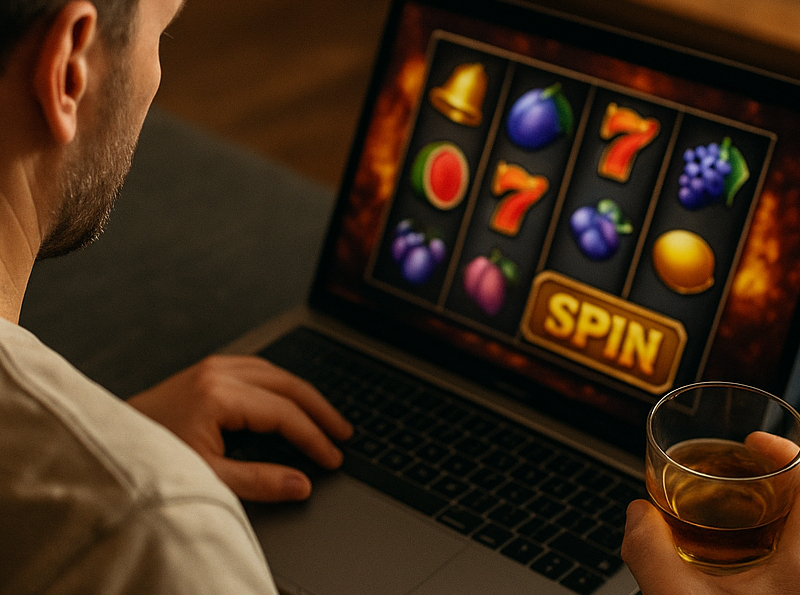
Picture this: it is Saturday night and the thought of heading out sounds appealing until you actually think about it. The potholes, the dark roads, the general stress of getting there and back safely. You weigh it up, decide it is not worth it, and settle in for a relaxed evening of online betting instead. Same buzz, none of the hassle. Sounds pretty reasonable, right?
So why does the media treat it like a national emergency?
If you have been anywhere near a news site lately, you have probably noticed the flood of headlines warning that online gambling is addictive, destructive, and apparently the next big social crisis waiting to swallow us whole. And look, I get it. Gambling can cause real harm when things go sideways. Nobody is arguing otherwise. But the way it gets covered, you would think that every South African who places a bet on a weekend is one step away from losing everything.
That is not the full story.
For a huge number of people, online gambling is just entertainment. A sports bet on the weekend fixture, a bit of fun within a sensible budget, nothing dramatic. Yet casual, responsible betting consistently gets lumped in with worst-case scenarios. Once you are over 18 you are trusted to drive a car, vote, and make all kinds of consequential decisions every day. Choosing to spend an evening betting on a licensed platform should not automatically be treated as a scandal, yet that is exactly how the news tends to frame it.
Why the Demonisation?
The big question is why gambling gets treated so harshly by so many news outlets. Maybe it is because stories about danger and addiction grab more clicks than calm, everyday experiences. Maybe it is because online gambling still carries the stigma of the old underground days before proper regulation arrived. Whatever the reason, the public conversation feels persistently one-sided.
Recent Headlines
Before going deeper, here are some recent headlines that illustrate the point. They show just how forcefully the media tends to paint online gambling, not as entertainment, but as a looming threat:
- “R2 million in the red – Online gambling destroyed my life” — News24 by Magdel Louw
- Link → News24 article News24
- “Problem gambling tears at the fabric of South African society” — Mail & Guardian (Thought Leader) by Sibongile Simelane-Quntana
- Link → M&G article The Mail & Guardian
- “High Stakes | How online sports betting has infiltrated … SA’s teens in the grip of the country’s burgeoning sports betting industry” — News24 by Aphelele Mbokotho, Bernadette Wicks & Prega Govender
- Link → News24 special projects Special Projects
- “Rolling the dice: Why South African workers are turning to gambling” — IOL (Business section)
- Link → IOL article IOL
- “Gambling addiction referrals rise 40% as billions spent on betting advertising” — The Citizen by Jarryd Westerdale
- Link → The Citizen article The Citizen
- “The proliferation of online gambling has dire consequences” — The Star (Opinion) by Thabisile Miya
- Link → The Star opinion The Star
Seeing them side by side makes one thing obvious. The language is loaded. Words like wave, trap, epidemic, silent killer, and crisis dominate. They warn, scare, and dramatise, and they consistently leave very little room for nuance.
The Double Standard
It is not that gambling should get a free pass. It absolutely can ruin lives when the guardrails fail. But it is interesting how society chooses which risks to sensationalise. Plenty of everyday leisure activities carry real risk when abused, yet they are celebrated in advertising and rarely make the front page. A few bets on a licensed site? Suddenly it is a silent killer. The double standard is hard to miss.
Maybe it comes down to history. South Africa has only recently moved toward a properly regulated online betting environment, and the activity still wears the stigma of its unregulated past. Regulators and editors both know that fear sells, so the headlines lean heavily on panic. That is exactly why it is so important for players and readers alike to separate the drama from the facts.
The Real Takeaway
For me the takeaway is simple. Responsibility matters more than the activity itself. Whether it is a weekend bet on your favourite team or a quiet evening of online play, the real danger comes from losing control, not from the entertainment itself when it is enjoyed within limits. And that is the conversation we should be having, instead of treating every bet like the next national crisis.
What about you?
Have you noticed the same double standard in the headlines, or had your own experience with online gambling—good or bad?
Drop a comment below and share your thoughts. Your perspective might help someone else see the topic in a new light.
If you’re looking for a safe, locally licensed betting site, check out my post on where to gamble online for tips and trusted options.
If you ever feel your gambling is getting out of hand, free help is available 24/7 from the South African National Responsible Gambling Programme at 0800 006 008 or by WhatsApp on 076 675 0710.

Leave a comment