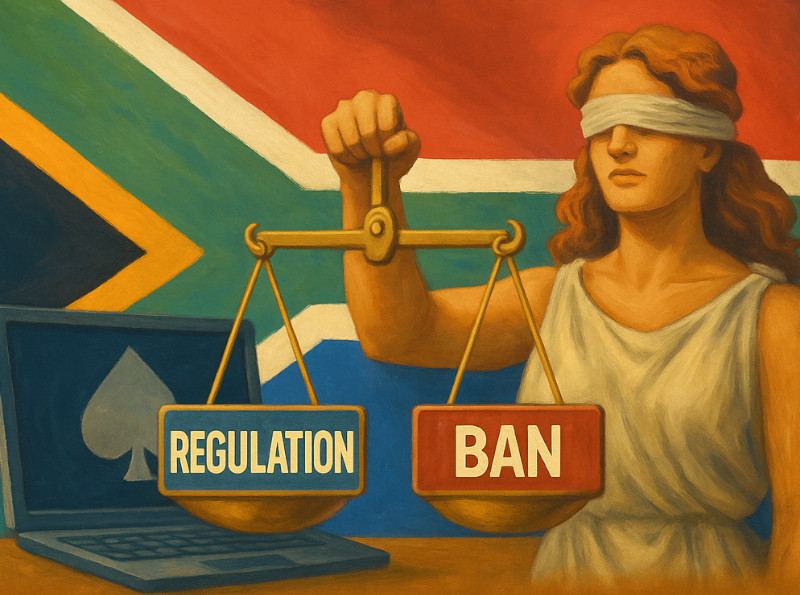
Online gambling in South Africa has grown fast thanks to smartphones and new betting platforms. The problem is that our laws haven’t kept up. Right now, only sports betting is technically legal, but anyone who’s been on a site knows there’s a lot more going on. That gap has sparked a heated debate — should government ban online gambling outright, or bring in proper rules?
The Criticism
Makashule Gana from the Rise Mzansi Party has been vocal about the dangers of online gambling. He says betting companies are targeting vulnerable groups like young people and grant recipients, and he’s even compared gambling to addictive drugs. His concerns aren’t totally off base — betting can become a problem if left unchecked — but the solution he pushes often leans toward harsh restrictions.
Why the Laws Need an Update
South Africa’s current online gambling laws date back to 2008. They only recognise fixed-odds sports betting, leaving everything else in a grey area. The result? Operators are running games that don’t fit the old rules, players are spending money anyway, and the state is missing out on tax revenue that could be put to better use.
That’s where the Democratic Alliance’s Remote Gambling Bill comes in. Put forward in 2024, it calls for:
- Licensing powers to be given to provinces
- Stronger safeguards to protect minors
- Clear compliance with FICA (ID verification rules)
It’s not about encouraging reckless betting — it’s about recognising reality and putting proper guardrails in place.
The Advertising Problem
One of the areas where critics have a point is advertising. Gambling ads are everywhere, from TV to radio, and often run at times when kids can see them. The DA has also called this out, arguing for stricter controls. Instead of endless promos about jackpots, ads should include clear responsible gambling messages.
This doesn’t mean shutting the industry down — it just means holding it to a higher standard.
Why Regulation Wins Over a Ban
Some people suggest banning online gambling entirely, like India has done with certain forms of real-money gaming. But that approach comes with big risks. A ban doesn’t stop people from betting — it just drives them to unregulated sites where there’s zero protection and no tax revenue for the country.
The DA’s position is more balanced: regulate the industry, protect players, and make sure South Africa benefits instead of losing out. That way, the market stays above board, players are safer, and government earns revenue that can go back into communities.
Last Thoughts
South Africa’s gambling industry is clearly at a turning point. Calls for reform are getting louder, and something has to give. Outright bans might sound tough, but they don’t solve the real problems. Proper regulation, as the DA proposes, is the smarter path. It acknowledges the reality of online betting, sets clear rules for operators, and gives players the protection they need.
At the end of the day, betting isn’t going away — the question is whether South Africa will finally modernise its laws to deal with it responsibly.
